
.webp)
Does your balcony or terrace garden look great only when certain plants bloom? Many Indian home gardeners face the same problem. We often fill pots with our favourite seasonal flowers in winter and then wonder why the garden looks empty in the scorching summer or during monsoons. Too many short‑lived plants mean constant replacement and disappointment.
The 70/30 gardening rule solves this dilemma. It balances dependable, year‑round performers with a splash of seasonal colour. As an Indian gardener living in a city apartment, I’ve used this rule to transform small spaces into vibrant gardens that look attractive even during peak summer or heavy rains.
What is the 70/30 gardening rule?
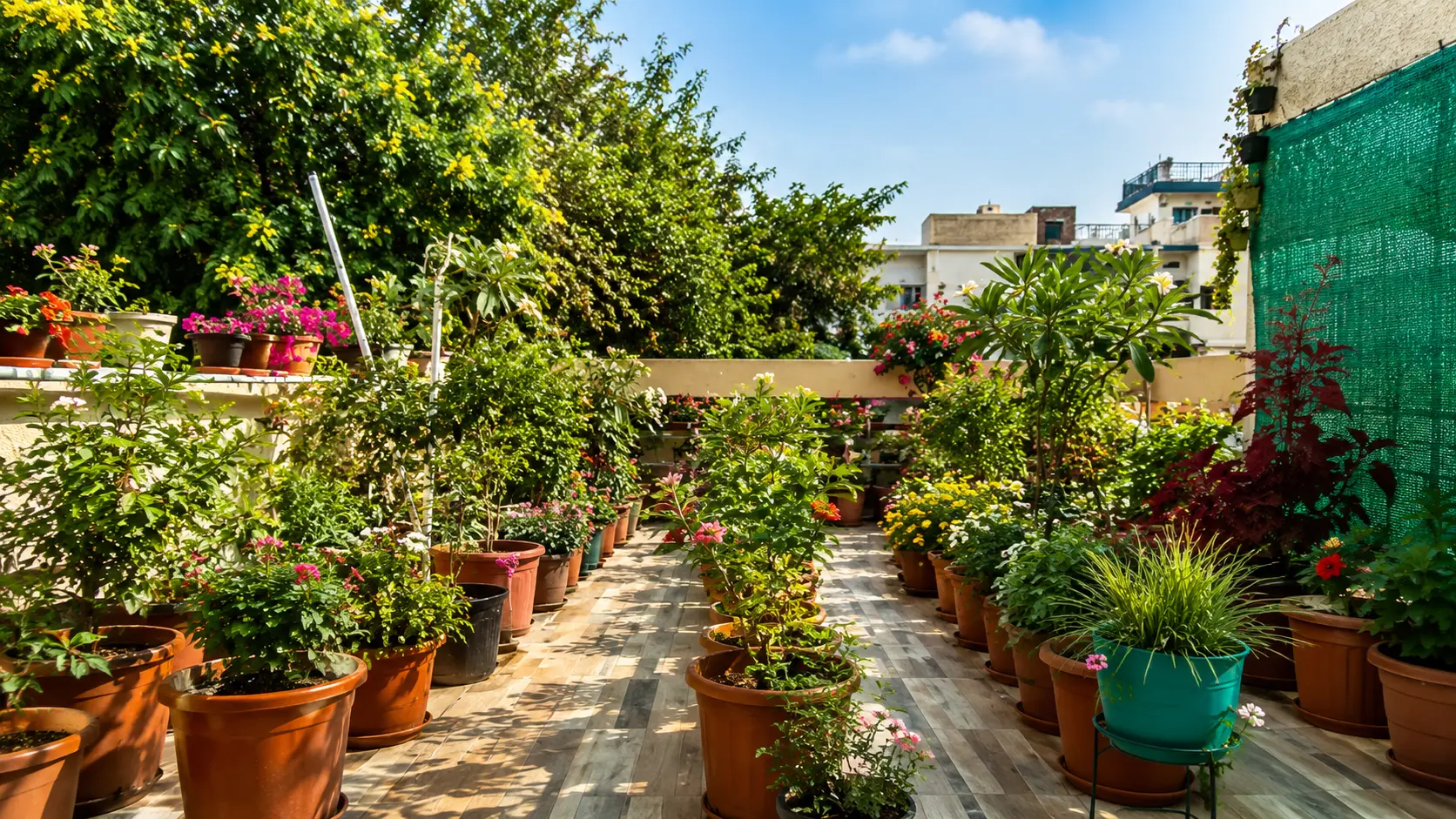
Landscape designers such as Piet Oudolf popularised the idea of dedicating 70 % of garden space to plants that provide structure and interest throughout the year, and 30 % to filler or accent plants. The concept has since evolved to include reliability and experimentation:
- 70 % reliable plants: These are your foundation plants—ornamental grasses, shrubs, perennials and hardy herbs—that thrive in your local climate. They offer texture, foliage colour and form even when not in bloom, ensuring the garden never looks bare. They also require less monitoring and provide emotional resilience because a majority of the garden is stable.
- 30 % experimental or seasonal plants: This portion is reserved for annual flowers, bulbs, rare seeds or new techniques. It fuels curiosity and allows you to try different colours or forms without risking the entire garden. Because it is only 30 %, any failures feel acceptable and successful experiments can graduate to the reliable category over time.
In simple terms, the 70/30 planting rule creates a safety net. It ensures your garden always has a backbone of dependable plants while leaving space to experiment with seasonal flowering plants and trends.
Why does this rule work so well?
- Balance between reliability and novelty: Gardening is unpredictable—weather, soil and pests vary yearly. When 70 % of your plants are proven performers suited to Indian conditions, you secure a baseline harvest or display.
- Emotional resilience: Failures become less discouraging. When a new flower or vegetable doesn’t work, it affects only a small part of the garden.
- Flexibility: The ratio isn’t rigid. Beginners might start with an 80/20 split and gradually increase experimentation, while seasoned gardeners can push to 40 % experimental plants.
- Adaptable to any space: Whether you have ten pots, a raised bed or a terrace garden, you can still apply the rule. For ten containers, fill seven with dependable plants and the remaining three with seasonal varieties.
You May Also Like
Small Balcony, Big Harvest: 15 Space-Saving Garden Layouts (With Photos) You Can Try This Weekend
Choosing Your 70 % Reliable Plants
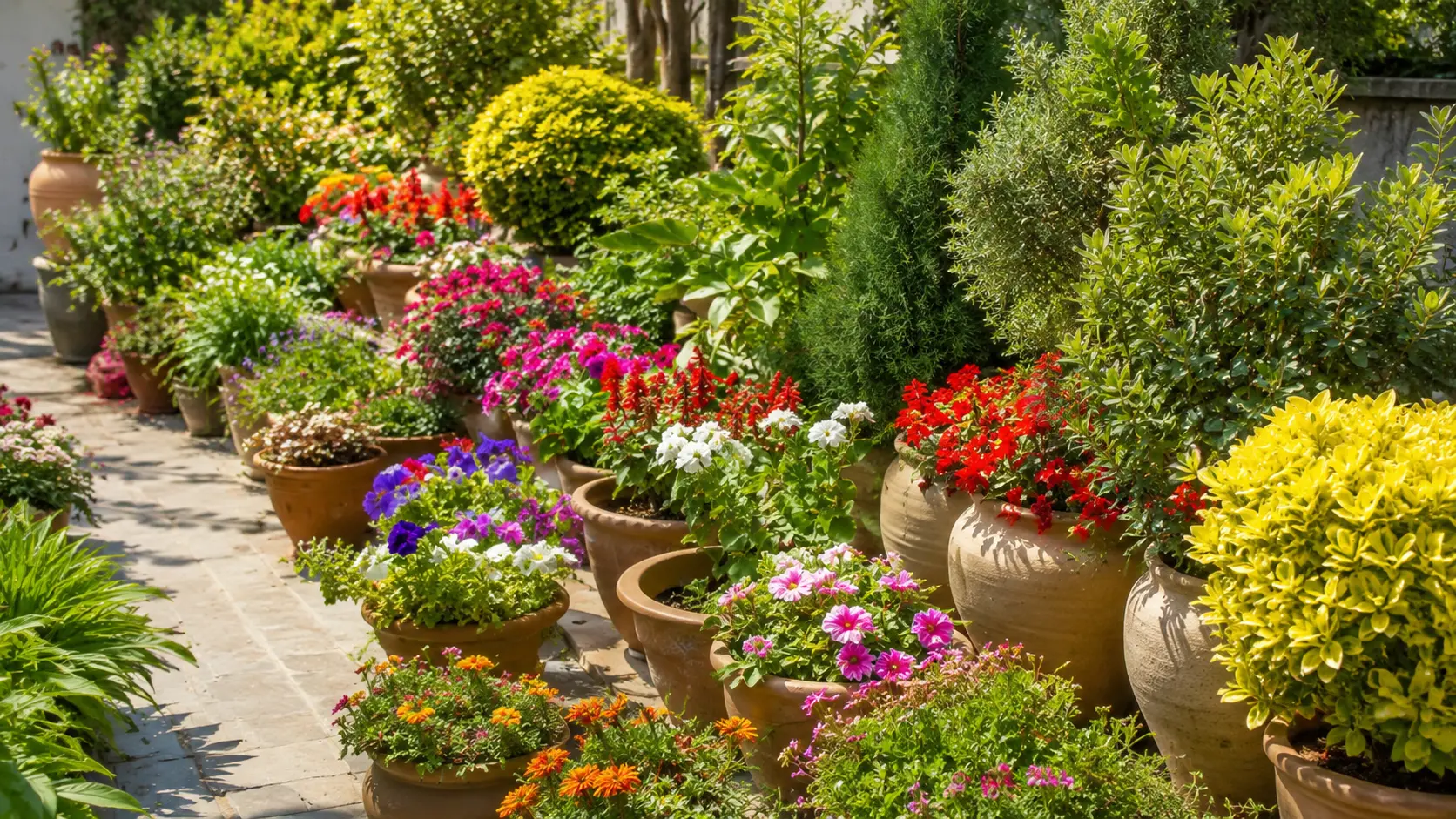
Your core plants should thrive in Indian climates and require minimal replacement. Here’s how to choose them:
Assess your site conditions
- Sunlight: Balconies facing east or west receive gentle morning or evening sun, perfect for leafy plants and herbs. South‑facing terraces get intense sunlight; choose heat‑tolerant species like bougainvillea, hibiscus, and adenium.
- Soil and containers: Use well‑draining potting mixes enriched with compost. Urban Plant’s Potting Mix and Plant Care Range make this easy.
- Water availability: During summer, containers dry quickly. Drip irrigation systems or self‑watering planters help maintain consistent moisture.
Pick plants that offer multi‑season interest
- Evergreens and shrubs: Jasmine (mogras), hibiscus, champa, and ixora provide glossy foliage and periodic blooms. In northern India, hardy shrubs like lemongrass and curry leaf act as reliable perennials.
- Ornamental grasses: Fountain grass and purple millet add movement and texture. They remain attractive even after flowers fade.
- Perennial flowers: Marigolds (French and African types) bloom for months. Periwinkle (Catharanthus roseus) flowers year‑round in warm regions. Chrysanthemums provide colour during winter.
- Herbs: Basil, mint, curry leaf, lemongrass, and tulsi (holy basil) grow well in Indian climates. They’re culinary staples and add lush greenery.
Selecting Your 30 % Seasonal or Experimental Plants
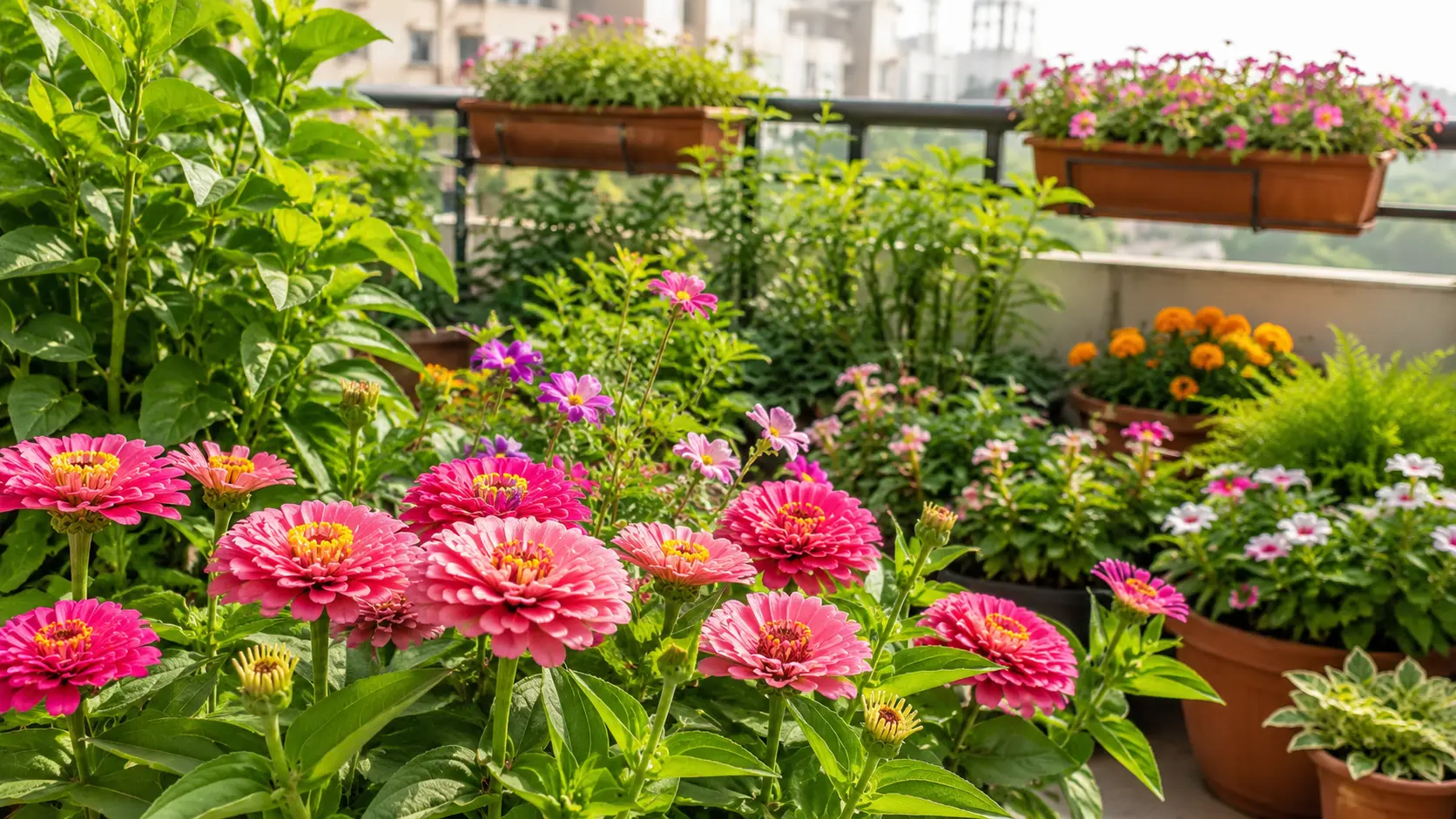
This is where you can have fun and reflect on changing seasons or trends. Some ideas include:
Seasonal flowering plants
- Winter (October–January): Petunias, pansies, dianthus, calendula, and phlox thrive in the cool season. Choose a colour theme—pastel pinks one year, bold yellows the next—to ensure a cohesive look.
- Summer (February–June): Portulaca, zinnia, celosia, verbena, and cosmos withstand heat. Experiment with bright shades to counter the harsh sun.
- Monsoon (July–September): Balsam, vinca, torenia, and rain lilies enjoy moisture. Ensure proper drainage to prevent root rot.
Bulbs and tubers
Add lilies, dahlias, or gladiolus to pots for dramatic displays. In north India, plant bulbs during winter for spring blooms; in southern regions, adjust planting time to local climate.
Unusual edibles or heirloom varieties
Grow cherry tomatoes, purple beans, or exotic chillies in a couple of pots. For terrace vegetable gardens, try succession planting or intercropping to maximize yields.
New techniques
Use vertical gardening systems or hydroponic kits for the 30 %. You can test self‑watering planters or try growing microgreens inside the kitchen.
Keep experiments contained
Remember that experiments should not overwhelm your garden. Limit bold ideas to 30 % of your containers or beds so that the majority remains stable. Document your results; successful plants can become part of the reliable 70 % next season.
Designing Your Garden Layout
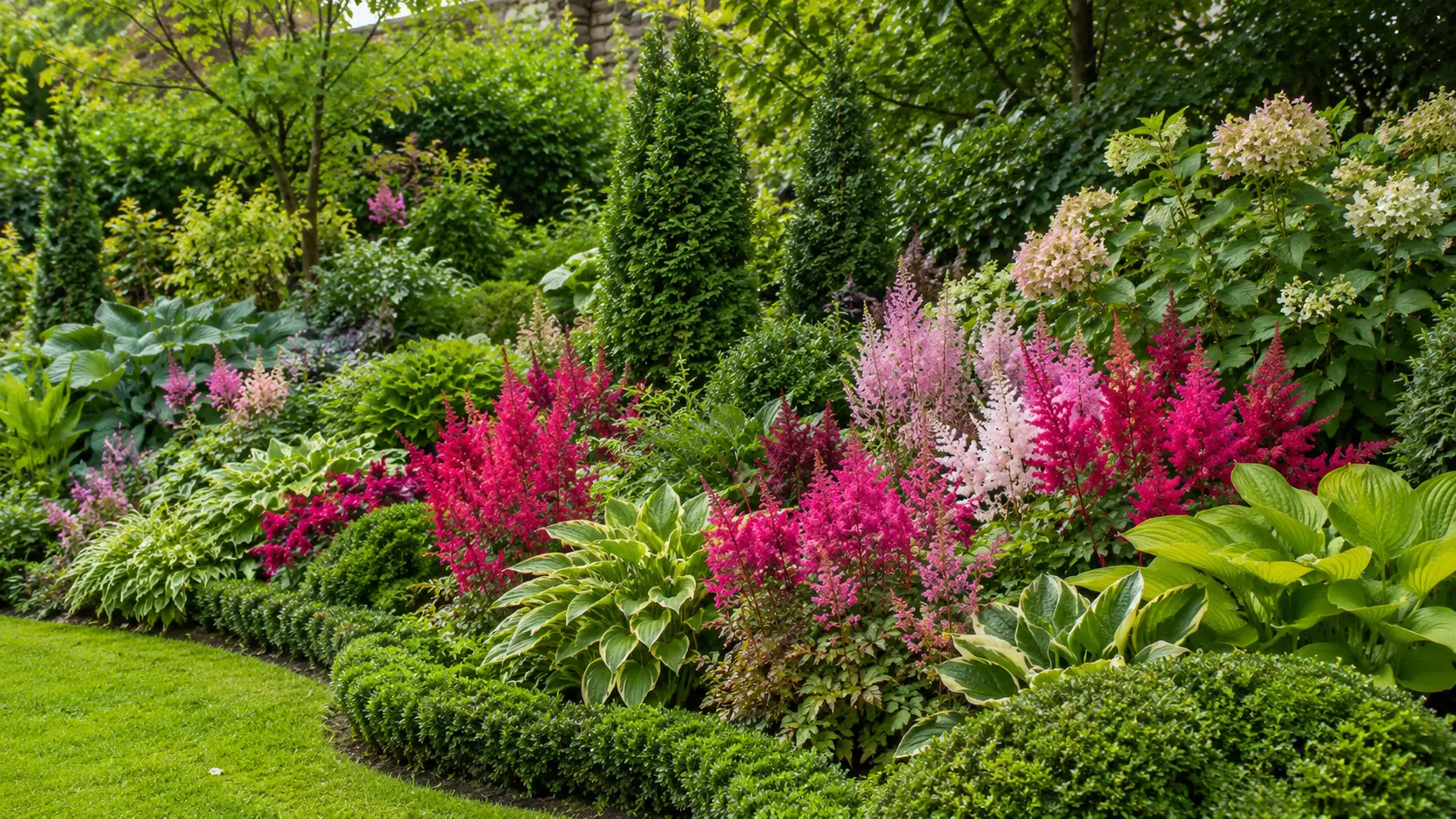
The 70/30 gardening rule isn’t just about plant selection; it also guides placement.
Layer plants by height
Start with the shortest plants near pathways, balconies, or seating areas. Gradually increase height towards walls or railings. This layering ensures sunlight reaches all plants and creates depth. For balcony gardens, place trailing plants on railing planters, medium plants on stands, and tall plants on the floor.
Repeat patterns and colours
Repetition ties different areas together. Use groups of the same plant or similar colours across pots. For example, repeat marigolds or coleus in several containers. This repetition acts as the garden’s “backbone” and makes the experimental plants stand out.
Use plant stands and planters wisely
Plant stands and tiered shelves help you create height layers without taking floor space. Sturdy stands are essential for heavy ceramic or cement pots on balconies, especially in high‑rise apartments. Combining stands with self‑watering planters from Urban Plant keeps watering and cleaning easy.
Consider microclimates
Different corners of your terrace or balcony may receive varying sunlight or wind. Place tender plants in sheltered spots and hardy plants where wind or harsh sun is stronger. Rotate pots occasionally to balance growth.
Experience‑Based Expert Tips for Indian Home Gardeners
- Start with natives: Indian natives like plumbago, plumeria, hibiscus and curry leaf thrive with minimal care. They also support local pollinators and wildlife. In balcony gardens, these plants can be pruned to maintain size.
- Account for monsoon: Heavy rains can drown sensitive plants. Use well‑draining soil and raise pots on stands. Avoid leaving saucers filled with water to prevent mosquito breeding.
- High‑rise safety: In high‑rise apartments, secure pots and stands to prevent them from tipping over due to strong winds. Choose lighter fibreglass or plastic planters for the outer edges.
- Maintenance matters: Regular pruning encourages bushy growth. Deadhead spent flowers to promote fresh blooms. Feed plants with slow‑release organic fertilisers from Urban Plant’s Plant Care range.
- Observe and learn: Each balcony has unique microclimates. Track which plants thrive in which spots, and adjust accordingly. Successful experiments can become part of your 70 % next year.
Frequently Asked Questions
What does the 70/30 gardening rule mean?
The rule suggests that about 70 % of your garden should be planted with reliable, low‑maintenance plants that provide structure and interest all year, while the remaining 30 % is reserved for seasonal or experimental plants. This mix ensures beauty and resilience.
Can I use the 70/30 rule in small balcony gardens?
Yes! Whether you have ten pots or a tiny raised bed, the rule works. Simply plant seven containers with dependable plants and reserve three for new flowers or vegetables.
Which plants are best for the 70 % category in India?
Choose hardy perennials and shrubs like hibiscus, jasmine, plumeria, lemongrass and bougainvillea. Ornamental grasses and herbs such as basil and mint also perform well.
How do I decide what to plant in the 30 % experimental section?
Focus on seasonal flowers, bulbs or new vegetable varieties you want to try. Pick a colour theme each season for a cohesive look, and rotate crops to learn what thrives in your space.
Do I have to follow the 70/30 ratio strictly?
No. It’s a guideline, not a rulebook. New gardeners can start with an 80/20 split for more security, while experienced gardeners can experiment more. Adjust the percentages according to your comfort and observations.
Does the 70/30 gardening rule save money?
Yes, the 70/30 gardening rule can save money because you do not need to replace the full garden every season. Only 30% plants change for seasonal beauty, while 70% plants stay healthy for a longer time.
Conclusion
The 70/30 gardening rule is a practical approach that blends stability with experimentation. By dedicating about 70 % of your garden to reliable plants and 30 % to seasonal or experimental varieties, you ensure year‑round beauty without constant replanting.
For Indian balcony and terrace gardeners, this method provides a structured yet flexible plan.
Start by selecting natives, shrubs and perennials that thrive in your climate, then play with seasonal flowers and bulbs to keep things exciting. Over time, your garden will evolve into a resilient, ever‑changing space.
Join our community on our WhatsApp channel for more expert tips!


