
-3.webp)
Gardening in Indian cities often means working with tiny balconies, narrow terraces, and compact courtyards.
Too many pots, mismatched tools, and overgrown plants can quickly turn your green haven into a jumbled mess.
A minimalist garden focuses on purposeful design, disciplined plant choice, and neat organisation.
It frees your mind from visual noise and makes maintaining the garden a joy rather than a chore.
Why Minimalist Gardening Matters
.webp)
Urbanisation leaves little horizontal space for gardens. Vertical gardening and other space‑saving techniques help maximise the use of walls and roofs.
Minimalist gardens offer several benefits:
- Reduces clutter and stress – a tidy garden makes it easier to relax and enjoy your green space.
- Better use of space – vertical gardens and tiered stands allow more plants without crowding the floor.
- Improved plant health – regular pruning and thoughtful plant placement keep your plants vigorous and attractive.
- Ease of maintenance – fewer items mean you spend less time hunting for tools and more time enjoying the garden.
Read Also
Organic Fertilisers For Winter Plants In India – Boost Growth Naturally
How to Protect Balcony Plants in Harsh Indian Winters (Expert Guide)
Step‑by‑Step Guide to Declutter Your Garden
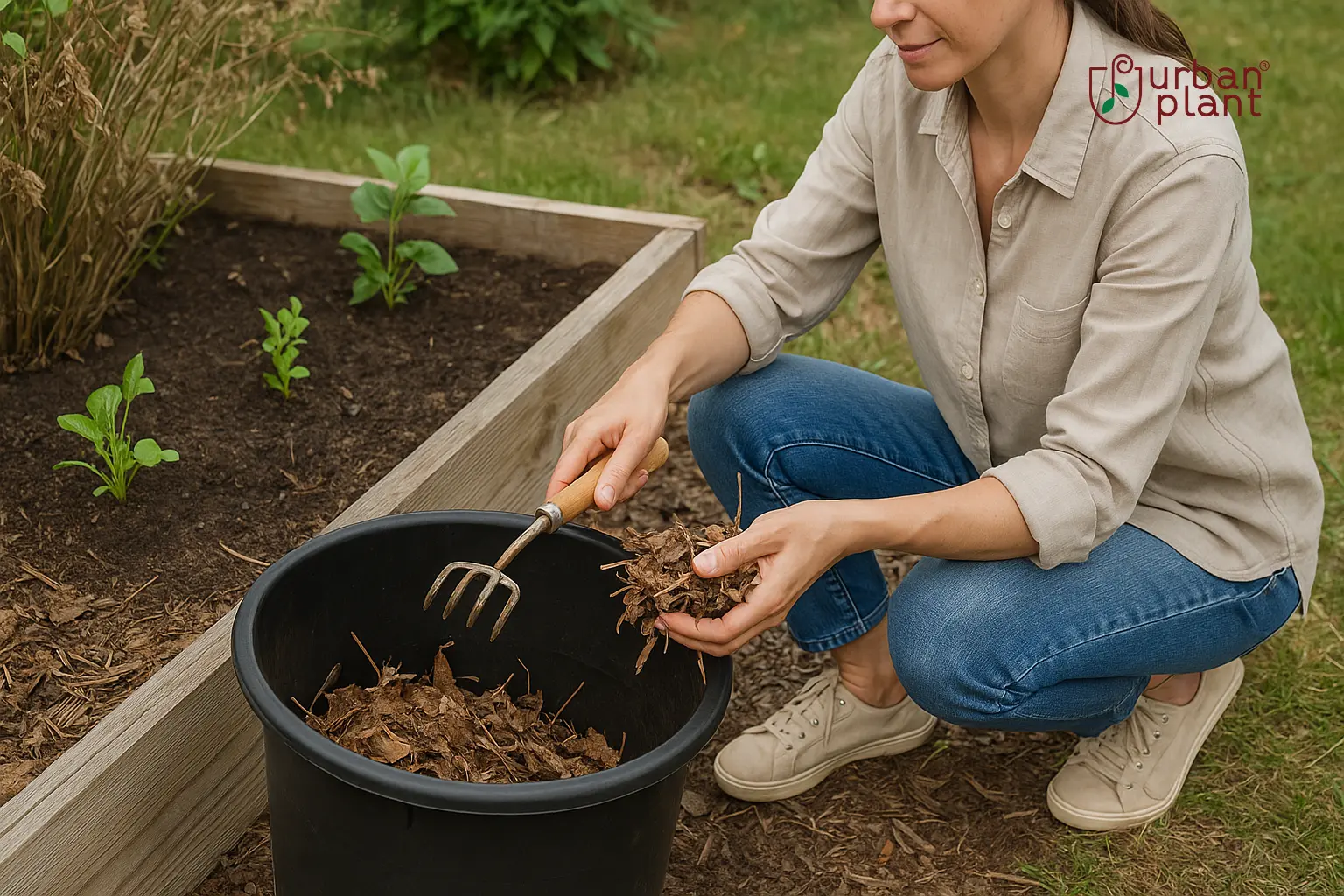
1. Commit and Visualise
Before you start tossing pots, commit to tidying up. Imagine the garden you want and sketch a plan.
Tanya Anderson’s KonMari‑inspired approach highlights that clearing clutter outdoors creates a beautiful, thriving space.
Visualising your ideal garden helps you decide what stays and what goes.
2. Remove Unwanted Items
The best place to start is by removing broken tools, surplus materials, dead plants, and unused pots.
Freeing up space makes a dramatic difference. Donate or recycle items that don’t fit your new design and store seasonal tools elsewhere.
3. Categorise and Sort
Grouping items by category simplifies decision‑making. Work through the least sentimental categories first (clothes, magazines, seed trays) and finish with plants or objects that have emotional value. The key is to keep only what serves a purpose or sparks joy.
4. Organise and Store Smartly
Once you’ve decluttered, organise the remaining items. Use labelled boxes for seeds and small tools. Hang frequently used tools near the garden, but store rarely used supplies in a cupboard or storage box to prevent clutter from returning.
Organise for a Clutter‑Free Garden
Use Vertical Space
Vertical gardens allow you to grow more plants without sacrificing floor area. They are recommended for small urban spaces.
Gardening experts suggest choosing sturdy materials, grouping plants with similar light requirements and protecting them from heavy rain. Consider these vertical solutions:
- Hanging planters – Macramé plant hangers like Mustard Bliss Macrame Hanger let you display trailing plants from ceilings or balcony grills.
- Tiered stands – A 3 Tier Corner Metal Stand fits neatly into a corner and holds multiple pots, freeing up floor space.
- Wall gardens – Upcycle iron mesh or old shoe organisers to create living walls; line them with plastic to protect your wall and fill pockets with coco‑peat and herbs.
Group Plants Thoughtfully
Place plants with similar sunlight and moisture needs together. This makes watering and care simpler and prevents overcrowding.
Use lighter pots for shelves and heavier pots on the bottom tier for stability. Leaving enough space between pots improves airflow and reduces disease.
Invest in Multipurpose Containers
Self‑watering pots reduce the number of watering cans cluttering your balcony. Use modular planters or stackable pots to create layers. Choose neutral colours like terracotta pots and planters, white or grey, to maintain a calm aesthetic.
Keep Tools in Order
Store daily‑use tools like trowels, cultivators and pruners in a wall‑mounted tool organiser. Heavier tools can be hung on a pegboard or kept in a storage box. BranchBuddy Pruner and ergonomic hand tools come with hanging holes for easy storage.
Maintain Your Garden Regularly
Minimalism isn’t a one‑time task. It requires consistent care. Regular pruning is essential for plant health and aesthetics.
Removing dead, diseased or overgrown branches controls growth and encourages flowering. Use quality tools like Clipmaster Heavy Duty Pruner for clean cuts and their Hand Weeder for removing unwanted plants.
Follow these maintenance tips:
- Prune and deadhead – Trim dead flowers, remove broken stems and thin out crowded branches to allow light penetration.
- Weed regularly – Pull out weeds before they seed; a hand weeder makes the job quick.
- Water wisely – Each plant has different water needs. Overwatering can leach nutrients. Water early in the morning and use drip irrigation for vertical gardens
- Inspect for pests – Check leaves for aphids or scale insects and act early. Neem oil or organic pest control products available in the Plant Care section can help.
- Fertilise and refresh soil – Plants in limited soil need extra nutrition. Add vermicompost or organic fertiliser regularly.
Choose Plants Wisely
Minimalist gardens favour low‑maintenance, compact plants. For vertical gardens, choose species that thrive in your climate and match the light conditions. Consider:
- Herbs & edible greens – Mint, basil, coriander and fenugreek grow well in vertical pockets. They’re useful in the kitchen and stay compact.
- Air‑purifying plants – Snake plants, spider plants and peace lilies are hardy and improve air quality.
- Succulents & cacti – Ideal for sunny balconies; they need little water and look striking in minimalist pots.
- Trailing vines – Money plant (pothos), philodendron and syngonium thrive in hanging planters
Visual Example: A Minimal Balcony Garden
Imagine a narrow balcony in Bangalore. Against one wall hangs a trio of Mustard Bliss Macrame Hangers filled with pothos and spider plants.
A 3 Tier Corner Metal Stand holds terracotta pots of herbs and succulents. On the floor, a compact bench invites you to sit among greenery.
A small tool organiser on the wall holds a BranchBuddy Pruner, trowel and spray bottle. The result is airy, organised and serene—a perfect clutter‑free retreat.
Frequently Asked Questions (FAQs)
How do I create a clutter-free home garden in a small space?
A clutter-free home garden starts with choosing only essential plants, using vertical planters, and organising pots by height and sunlight needs.
Keep tools minimal, prune regularly, and use stands or macramé hangers to free floor space. This simple system keeps even the smallest Indian balconies clean and peaceful.
What are the easiest steps to declutter my garden?
Begin by removing dead or unhealthy plants, clearing broken pots, and storing unused tools.
Group similar plants together, shift bulky pots to stands, and use wall space for vertical gardening.
Weekly pruning and cleaning make the garden lighter, healthier, and visually organised without extra effort.
How do I keep my garden clutter-free year-round?
Follow a monthly routine of pruning, repotting overcrowded plants, and checking for unused items.
Seasonal clean-ups before the monsoon and winter help reduce waste.
Using sturdy stands and labelled pots also keeps everything in place, ensuring your garden stays neat with very little maintenance.
Why does vertical gardening help reduce garden clutter?
Vertical gardening lifts plants off the floor, giving you more walking and growing space. It uses walls, railings, and corners efficiently and helps you grow more with fewer pots.
Vertical racks and macramé hangers also improve air flow and sunlight distribution—ideal for compact Indian homes.
What plants are best for a minimalist garden?
Choose hardy, low-maintenance plants like Snake Plant, ZZ Plant, Areca Palm, Jade, and Pothos.
They need less water, survive indoor conditions, and stay visually tidy. Their structured shapes fit easily into minimalist styling, helping your garden stay clean and clutter-free without constant care.
How do I organise pots to make my garden look tidy?
Arrange pots by height, sunlight requirement, and purpose. Place larger pots in corners, medium ones on stands, and trailing plants on walls or hangers.
Keeping similar colours and materials together also adds a clean, minimalist look that instantly reduces visual clutter.
What tools do I need for a clutter-free garden?
A small set of essentials is enough: a pruner, a hand cultivator, a watering can, and organic plant food. Choose high-quality tools to reduce storage needs and improve efficiency.
Compact multi-use tools also save space and help keep your gardening area organised and stress-free.
How do I declutter my garden without throwing everything away?
Reuse and reorganise before discarding. Shift plants into vertical setups, repurpose old pots for herb beds, and store tools neatly in baskets.
Transfer oversized plants to corner stands so the space feels open. This way, your garden becomes clutter-free without waste.
Conclusion: Embrace the Beauty of a Clutter‑Free Home Garden
Minimalist gardening isn’t about owning fewer plants—it’s about celebrating the ones you have in an organised, harmonious space.
By decluttering, using vertical solutions and maintaining your garden regularly, you can transform even the smallest balcony into a clutter‑free home garden. Ready to start?
Don’t forget to follow us on Instagram for more tips and inspiration. Happy gardening!


