
-2.webp)
When the first rains hit the parched soil, every Indian gardener feels the urge to sow seeds. Monsoon brings soft soil, warm humidity, and natural moisture – exactly what plants love. For balcony gardeners in Lucknow, terrace gardeners in Mumbai, or families in small flats, the challenge is balancing rainwater with proper drainage.
Heavy pots on tiled balconies, overflowing saucers, and weak seedlings often make beginners give up. But with a little planning and the right plant choices, the monsoon can be the easiest time to start growing your own vegetables.
This guide is written from years of balcony and terrace gardening experience. We’ll focus on simple vegetables that grow in the monsoon that even a class 8 student can understand.
Each section tells you why the vegetable likes the rainy season, how to grow it in pots or grow bags, mistakes to avoid, and expert tips for urban Indian conditions. Let’s turn your balcony or terrace into a fresh veggie patch!
1. The Gourd Trio – Bottle Gourd, Bitter Gourd & Ridge Gourd
.webp)
Gourds are the undisputed champions of monsoon gardening. Varieties like bottle gourd (lauki), bitter gourd (karela), and ridge gourd (turai) thrive on humidity and produce vigorously during rains. A sturdy trellis or bamboo framework is essential so the vines climb up and the fruits stay off wet soil, preventing rot
Growing method:
- Sow seeds directly in large pots (12‑14 cm diameter) or grow bags. Use a porous mix of garden soil, compost, and coco peat for good drainage.
- Place the pots where they receive 4–6 hours of sunlight; balconies with partial shade are fine.
- Provide support early. Use Urban Plant’s metal plant stands or trellises to keep heavy vines stable and create vertical space.
- Water only when the topsoil feels dry. Excess rainwater drains naturally; avoid standing water around the base.
Expert tip: From our own monsoon kitchen garden, we learned that gourds produce better when fruits are harvested young. Leaving mature gourds on the vine slows down new growth. Regular plucking keeps the vine productive.
2. Okra (Bhindi)
.webp)
Okra is one of the easiest monsoon vegetables. KrishiCenter calls it a foolproof crop that thrives in the summer‑monsoon transition. Plant the seeds directly into pots or beds – okra hates being transplanted. Within 40 days, you’ll start harvesting tender pods, making it a fast‑growing vegetable in 30 days or slightly more.
Growing method:
- Use deep pots (30 cm) filled with rich, well-drained soil. Add compost or vermicompost to keep the soil fertile.
- Sow seeds 2 cm deep and 20 cm apart. Thin to the healthiest seedlings.
Keep the pot in full sun; okra loves heat. In balconies, choose the sunniest corner. - Water moderately. Once the monsoon is in full swing, natural rain is usually enough. Overwatering leads to yellow leaves.
Mistakes to avoid: Do not transplant okra seedlings; it stresses the plant and reduces yield. Also, avoid shallow pots; they topple easily in the wind.
3. Green Chillies
.webp)
Chillies add spice to almost every Indian dish. They grow well in the rainy season and are an essential part of Indian cuisine. Chillies and other solanaceous crops should be started in nursery beds and then transplanted, and they are resilient once established.
Growing method:
- Start seeds in seedling trays or small pots indoors or under a shade. Transplant them after 3‑4 weeks when they have four true leaves.
- Use 20 cm pots with drainage holes: Mix equal parts soil, compost, and sand for drainage.
- Keep the pots in bright sunlight. Chillies need at least 5 hours of sun to fruit well.
Fertilise lightly with compost tea or organic liquid fertiliser every three weeks.
Expert tip: For balcony gardeners, cluster pots together to create a windbreak. This prevents heavy rain from snapping young stems.
4. Brinjal (Eggplant)
.webp)
Brinjal is another solanaceous crop that enjoys monsoon moisture when cared for correctly. It is usually sown in nursery beds and transplanted later. Provide good drainage and monitor for fungal root rot, which can occur in stagnant water.
Growing method:
- Start seeds in seed trays. Transplant seedlings into 25 cm pots when they reach 10 cm height.
- Use a soil mix enriched with compost and coco peat to keep it loose.
- Stake plants using bamboo sticks or Urban Plant’s metal plant stakes to prevent branches from breaking under the weight of fruits.
- Water the soil surface when it dries. Avoid splashing water on leaves to reduce fungal issues.
Mistakes to avoid: Never overwater brinjals. Fungal diseases are common in humid weather; use neem oil spray once a fortnight as prevention
5. Beans (Cowpeas, Cluster Beans & French Beans)
.webp)
Beans are fast-growing monsoon vegetables that enrich the soil by fixing nitrogen. Plant Orbit also recommends cluster beans and French beans for June planting.
Growing method:
- Sow seeds directly into deep pots or raised beds. For climbers like cowpeas or French beans, install a trellis.
- Space seeds about 5 cm apart. Thin seedlings later to allow airflow.
- Place pots in a sunny spot. Beans enjoy the warmth but can tolerate partial shade.
Harvest pods when they are young and tender for the best flavour.
Expert tip: Use Urban Plant’s strong metal plant stands or hangers to elevate bean pots off the terrace floor. This improves drainage and prevents waterlogging.
6. Leafy Greens – Spinach, Amaranth & Fenugreek
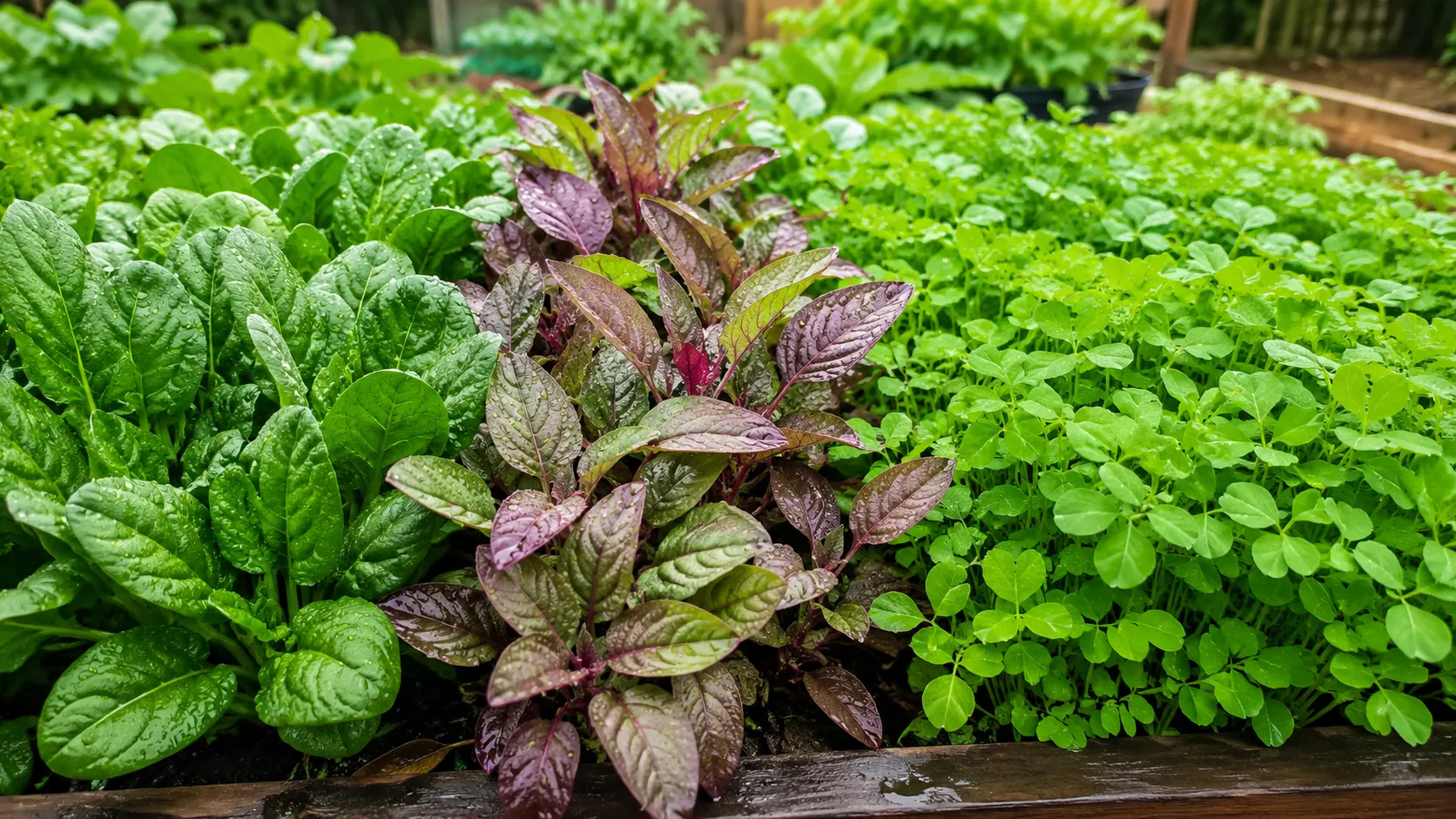
Leafy greens flourish during the monsoon because moisture and moderate temperatures encourage rapid growth. Spinach (palak), fenugreek (methi), and amaranth (chaulai) can be harvested multiple times.
Growing method:
- Use wide, shallow trays or grow bags. Fill them with a mix of soil and compost.
- Ensure drainage holes are clear.
- Scatter seeds evenly and cover with a thin layer of soil. Keep them moist until germination.
- Place trays in semi-shade; intense afternoon sun can wilt young leaves. Balconies with filtered light are ideal.
- Harvest by cutting the outer leaves with scissors. New growth will sprout from the centre.
Expert tip: Regularly snip leaves rather than uprooting plants. For heavy rain areas, consider Malabar spinach (pui shak), which thrives in hot, humid, rainy conditions.
7. Radish & Carrot (Root Vegetables)
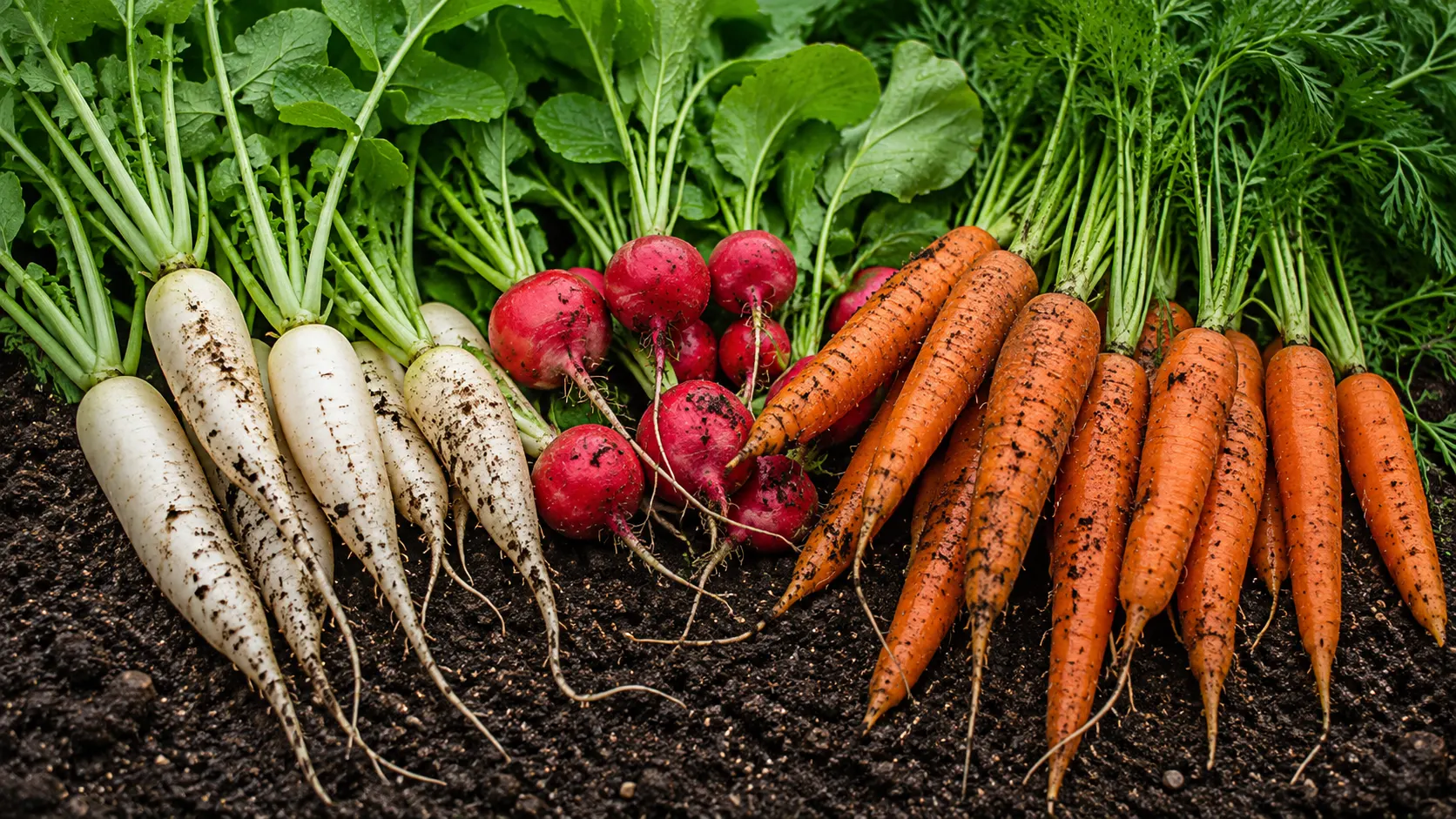
Radishes (mooli) and carrots are quick-growing root vegetables perfect for the monsoon if your soil drains well. Radishes and other root vegetables grow quickly and are easy to harvest, while Plant Orbit warns that heavy soil that tends to waterlog can cause root rot.
Growing method:
- Choose deep containers (30 cm) or raised beds with loose, sandy soil. Mix in sand or coco peat to improve aeration and drainage.
- Sow radish seeds 1 cm deep and carrots 2 cm deep. Thin seedlings to avoid overcrowding.
- Provide 4 hours of sunlight. Root vegetables can tolerate some shade but need light for root development.
- Harvest radishes within 25‑30 days – perfect for impatient gardeners. Use short or round carrot varieties for heavy soils.
Mistakes to Avoid: Do not plant root vegetables in pots without drainage holes; soggy soil leads to rotting roots.
8. Cucumber (Kheera)
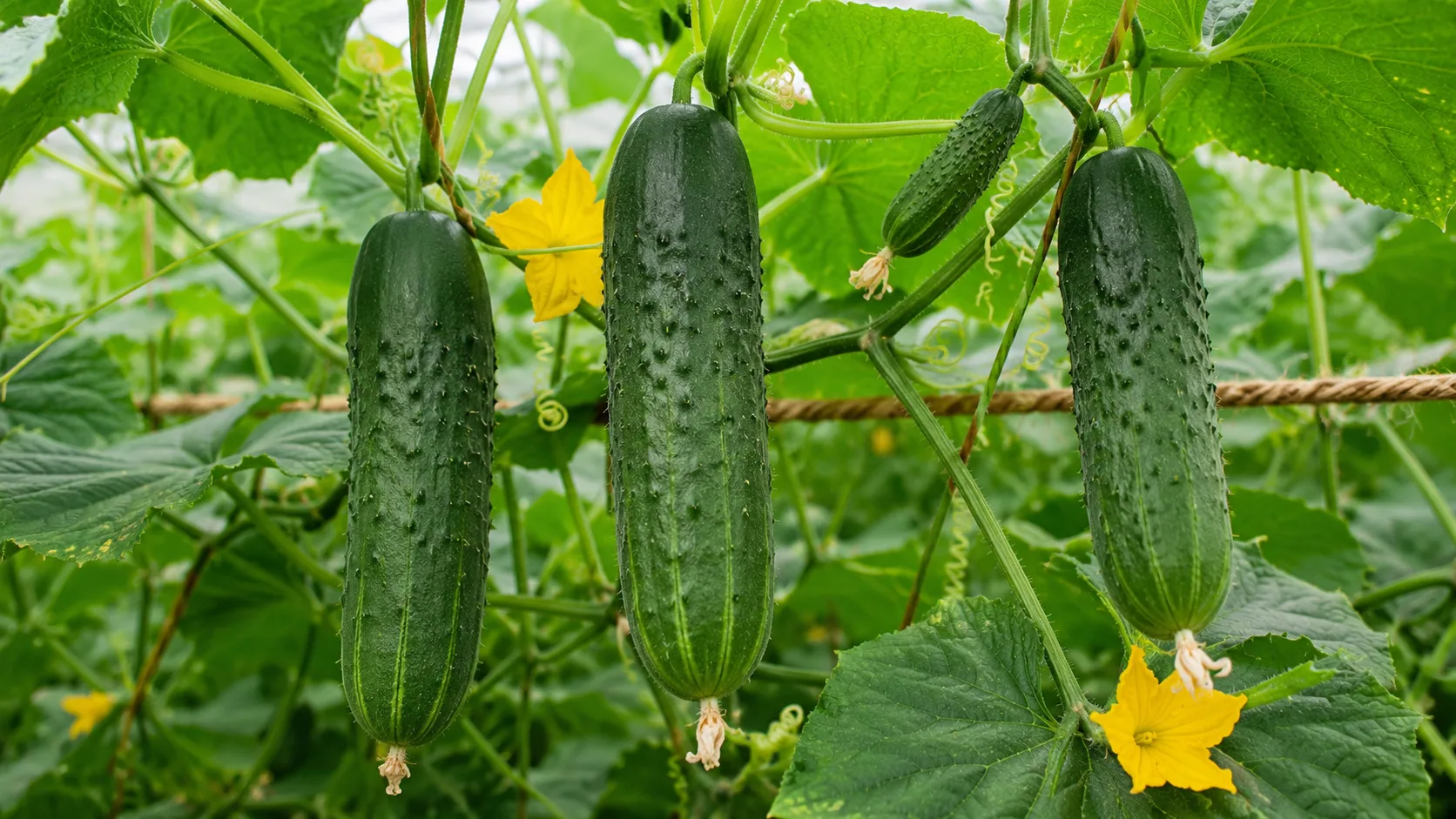
Cucumbers grow fast, tolerate heat, and produce steadily through the monsoon. Their vines enjoy climbing, and their fruits need to stay off wet surfaces.
Growing method:
- Sow seeds directly into grow bags or raised beds. Provide a trellis or string support.
- Keep soil consistently moist but not waterlogged. Mulching with straw helps regulate moisture and suppress weeds.
- Give cucumbers at least 5 hours of sunlight. They perform well on sunny terraces.
Expert tip: Prune extra side shoots to concentrate energy into fruiting vines. Harvest cucumbers when they are young and tender for a crisp texture.
9. Tomato
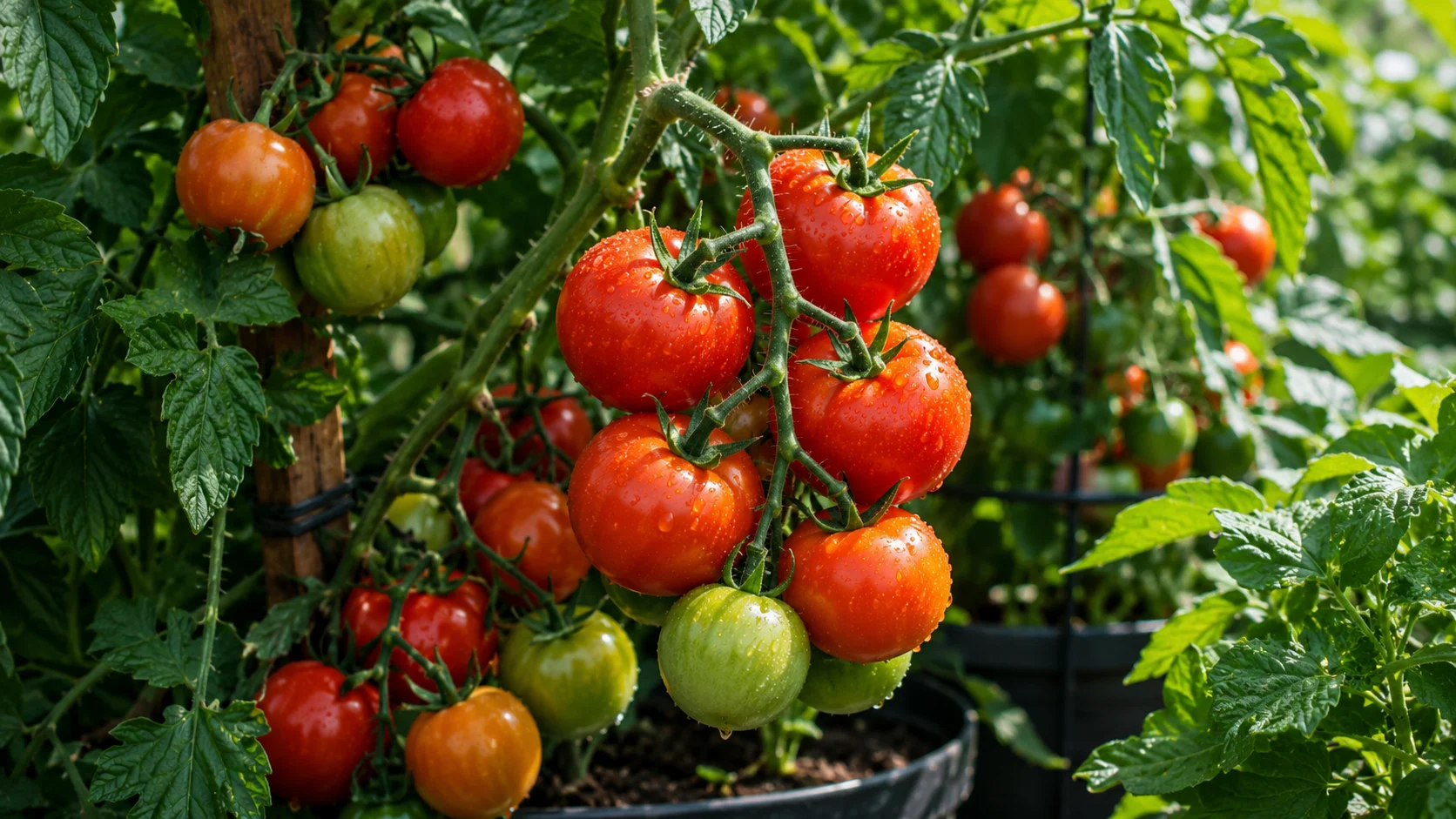
Tomatoes adapt well to monsoon conditions when grown in well-drained soil. They are versatile and can be used in salads, curries, and chutneys. Rain can cause fungal diseases, so proper care is essential.
Growing method:
- Start seeds in seed trays and transplant seedlings into 25 cm pots or grow bags. Use a rich soil mix with compost.
- Stake plants using bamboo sticks or Urban Plant plant supports to keep stems upright and fruits off damp soil.
- Water at the base and avoid wetting the foliage. Provide good airflow.
- Choose disease-resistant varieties and spray neem oil to prevent fungal issues.
Expert tip: During continuous rainfall, move tomato pots under a roofed balcony or use a transparent plastic sheet as a shelter. This prevents heavy raindrops from bruising tender plants.
10. Herbs – Mint, Basil & Dill
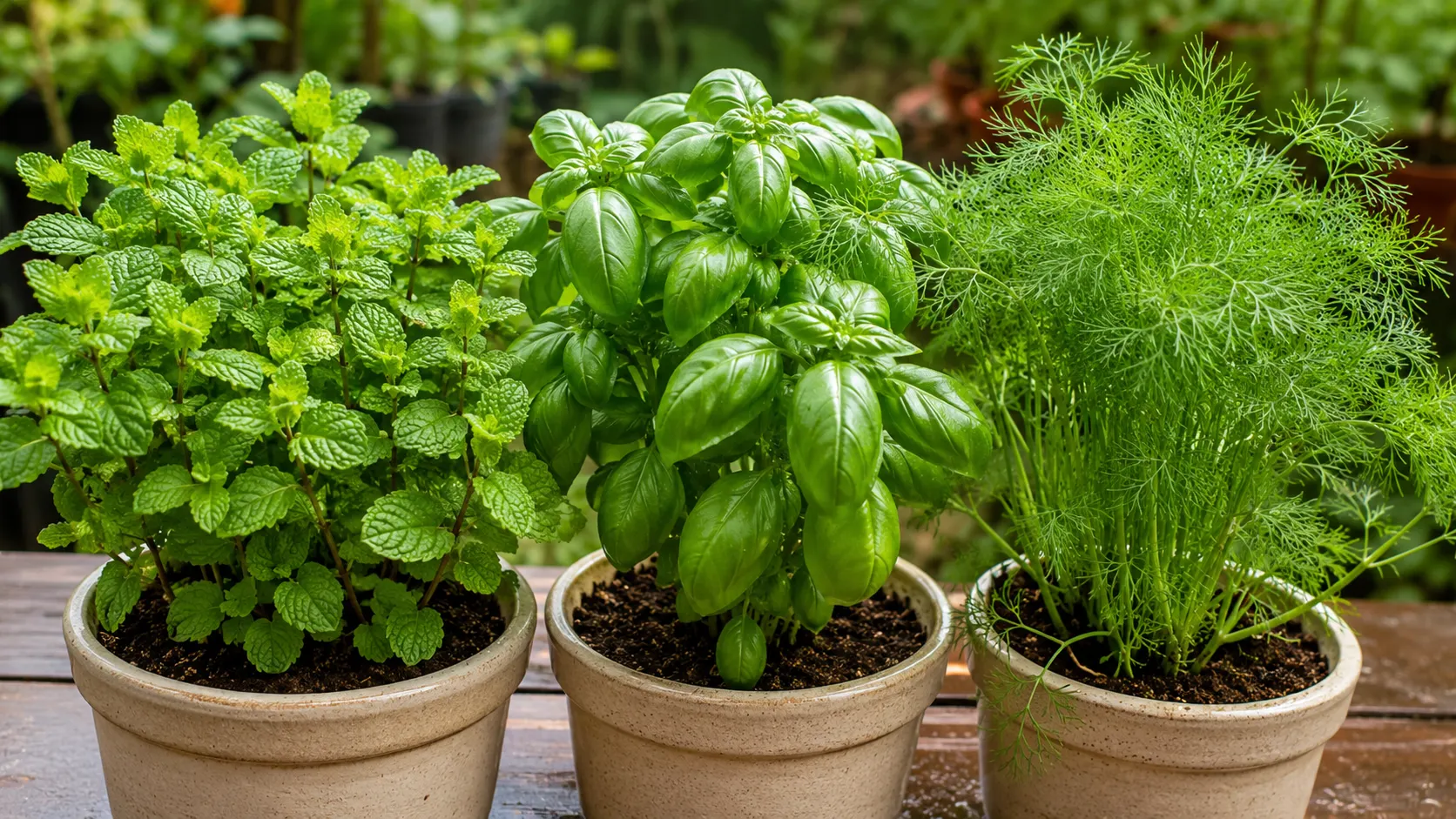
Herbs are not technically vegetables, but they deserve a place in your monsoon kitchen garden. Mint, basil (tulsi), and dill grow beautifully during this season. They add flavour to dishes and deter pests.
Growing method:
- Plant mint cuttings or basil/dill seeds in small pots. These herbs prefer moist, well-drained soil enriched with compost.
- Keep pots in partial shade. Herbs appreciate morning sun and afternoon shade.
- Pinch off flowers to encourage leafy growth.
Expert tip: Growing herbs near vegetable pots helps with natural pest control. For example, planting basil next to tomatoes can repel pests.
Experience-Based Monsoon Gardening Tips
- Fix drainage first: Raised beds or pots with multiple drainage holes are essential. We recommend raising beds 6–8 inches and creating channels around them to channel excess water away. For potted gardens, elevate pots on bricks or use strong Urban Plant plant stands to keep them off wet floors
- Prepare the soil: Mix organic compost, coco peat, or well‑rotted manure to loosen compacted soil. This aeration prevents roots from suffocating in heavy rains.
- Sow seeds shallowly: In the monsoon, plant seeds slightly shallower because heavy rain compacts the soil. Protect delicate seedlings under netting or plastic to reduce damage from raindrops.
- Water wisely: Monsoon gardening is more about drainage than watering. Rely on rainfall and water only when the topsoil dries. Overwatering is a common mistake.
- Prevent pests and diseases: High humidity invites fungal diseases and pests. Spray neem oil or bio‑fungicides every 10‑15 days. Plant herbs like mint and basil nearby for natural pest control.
- Harvest regularly: Picking vegetables when young encourages continuous growth and prevents vines from exhausting themselves.
FAQs
Which vegetables grow best in the monsoon in India?
Okra, cucumber, bottle gourd, bitter gourd, ridge gourd, beans, brinjal, chillies, amaranth, and Malabar spinach grow well in India’s warm and humid monsoon weather.
Which monsoon vegetables are easiest for beginners?
Okra, radish, fenugreek, amaranth, beans, and cucumber are easy for beginners. From our gardening experience, these crops grow quickly and need only basic sunlight, drainage, and regular checking.
Which vegetables can be harvested within 30 days?
Radish, fenugreek, amaranth, spinach, and coriander can give their first harvest in around 25–35 days, depending on sunlight, seed variety, and local monsoon conditions.
Can vegetables grow in pots during the monsoon?
Yes. Okra, chillies, brinjal, radish, leafy greens, beans, and cucumber grow well in pots. Use containers with open drainage holes and never allow rainwater to collect inside them.
What is the best soil mix for monsoon vegetables?
Use approximately 40% garden soil, 30% compost, and 30% cocopeat or coarse material. This loose mix drains excess rainwater while keeping enough moisture and nutrition around the roots.
How often should I water vegetables during the monsoon?
Water only when the top 2–3 cm of soil feels dry. In Indian balconies, daily watering during the monsoon is a common mistake that causes yellow leaves and root rot.
How much sunlight do monsoon vegetables need?
Most monsoon vegetables need four to six hours of sunlight. Fruiting plants like okra, cucumber, tomatoes, and chillies need more sun, while leafy greens can manage partial shade.
Conclusion
Growing your own food in the rainy season is not just a hobby; it is a step towards healthier living and sustainability. Choosing vegetables that grow in monsoon like gourds, okra, chillies, brinjal, beans, leafy greens, root vegetables, cucumbers, tomatoes, and herbs ensures a continuous harvest even in small urban spaces. Remember to provide good drainage, give vines proper support, and harvest regularly.
Explore more gardening guides and products at Urban Plant’s online store and join our WhatsApp community of urban gardeners.


.jpg)


