
_(2)-4.webp)
Urban Indians living in flats and compact houses are discovering the calm of nurturing plants at home.
Studies show urban gardening became popular after the pandemic, with government schemes like Telangana’s “Vegetable Growing in Urban Areas” encouraging kitchen gardens.
Building a plant corner—whether it’s a sunny living‑room nook or a balcony ledge—brings that sense of greenery indoors and helps kids learn about nature.
It can also supplement your diet with herbs and veggies and purify indoor air.
How to Set Up a Simple Home Plant Nursery
.webp)
1. Choose your nursery type
Plant nurseries fall into different categories depending on what you want to grow:
- Fruit nursery – grow citrus, mango, guava, or grapes; they need sunshine and space.
- Vegetable nursery – perfect for balcony gardens; most vegetables grow low and require less space. Protect them from frost during winter.
- Ornamental nursery – flowers, foliage plants, and succulents; ideal for living‑room corners or windowsills.
- Medicinal & aromatic nursery – herbs like basil, tulsi, and rosemary; these thrive in pots and provide fresh flavours for cooking.
- Forest/natural nursery – trees for reforestation; more suitable for those witha large outdoor space.
Choosing a niche helps you focus your plant selection and design a cohesive space.
2. Pick the right location
- Backyard or balcony – Draw a layout and measure the area so you know how many pots and shelves will fit. Most ornamental and culinary plants need 2–4 hours of direct light. Test soil pH and mix compost or cocopeat if necessary. Add raised beds or repurpose crates for extra depth.
- Rooftop – Rooftop gardens save space; use containers or raised beds and pick vining plants to maximise vertical space. Roofs get intense sun, so provide shade and irrigation.
- Indoor corners – According to Jaivikheti (a government‑backed portal), understanding light is essential. South‑facing balconies get 6+ hours of sun and can grow almost anything. East‑facing spaces receive morning sun ideal for herbs; west‑facing balconies need shade cloth in summer, while north‑facing corners may need grow lights. Use portable planters or stands so you can rotate plants toward the light.
3 Plan your plant mix
India’s climates vary drastically, so match plants to seasons. Some examples:
| Season & Zone | Suitable Plants | Growing Notes |
|---|---|---|
| Indian Monsoon | Spinach, Fenugreek (Methi), Coriander | Abundant natural moisture; ensure pots and beds have excellent drainage. |
| Summer (North & West) | Amaranth, Okra (Bhindi), Bottle Gourd | Provide afternoon shade and water frequently to prevent heat stress. |
| Winter | Peas, Carrots, Cabbage | Thrives in cooler temperatures with moderate sunlight. |
| Southern India (Year-round) | Native vegetables, Curry Leaves, Lemongrass | Avoid European vegetables unless shade cloth or partial protection is used. |
Consult your local planting calendar and talk to neighbourhood nurseries about seasonal varieties. Indian veggie seed collections and herb kits are curated for regional climates.
4. Assemble essential tools
Before planting, gather these basic tools:
- Pruning shears & gardening gloves – for trimming and protecting hands.
- Plant pots/trays – choose terracotta or self‑watering planters. Stylish self-watering pots and raised planter boxes.
- Rich potting mix – create a soil blend of 40% garden soil, 30% compost and 30% cocopeat. Try a potting soil mix.
- Watering equipment – a good hose or watering can; consider spray misters for delicate seedlings.
- Support stakes & nets – to guide climbers and protect from pests.
5. Propagate and plant
- Seed sowing – Start seeds indoors in trays or small cups using seed‑starting mix. Moisten seeds before planting and cover them with a clear lid or wrap; place under grow lights and wait 6–8 weeks.
- Cutting propagation – For asexual propagation, take 4–6 inch cuttings, remove extra leaves and place in water or soil. You can dip cuttings in rooting hormone and cover them with a plastic bag to maintain humidity. Once rooted, transplant into pots.
- Sexual propagation – Some plants need pollination (pollen‑egg union) to produce seeds. For fruiting plants like tomatoes and chillies, allow flowers to pollinate naturally or hand‑pollinate with a soft brush.
6. Watering and care
Overwatering is a common mistake. Jaivikheti notes that excess water suffocates roots and encourages fungal diseases.
Instead, perform a finger test – insert your finger 2.5 cm into the soil; water only when the soil feels dry.
Adjust watering frequency based on the season: every 3–4 days during the monsoon, daily in peak summer (especially for terracotta pots) and every 2–3 days in winter.
Feed your plants monthly with organic fertilisers or vermicompost. Organic fertilisers are safe for edible plants. Regularly prune dead leaves and rotate pots to ensure even growth.
7. Design your plant corner
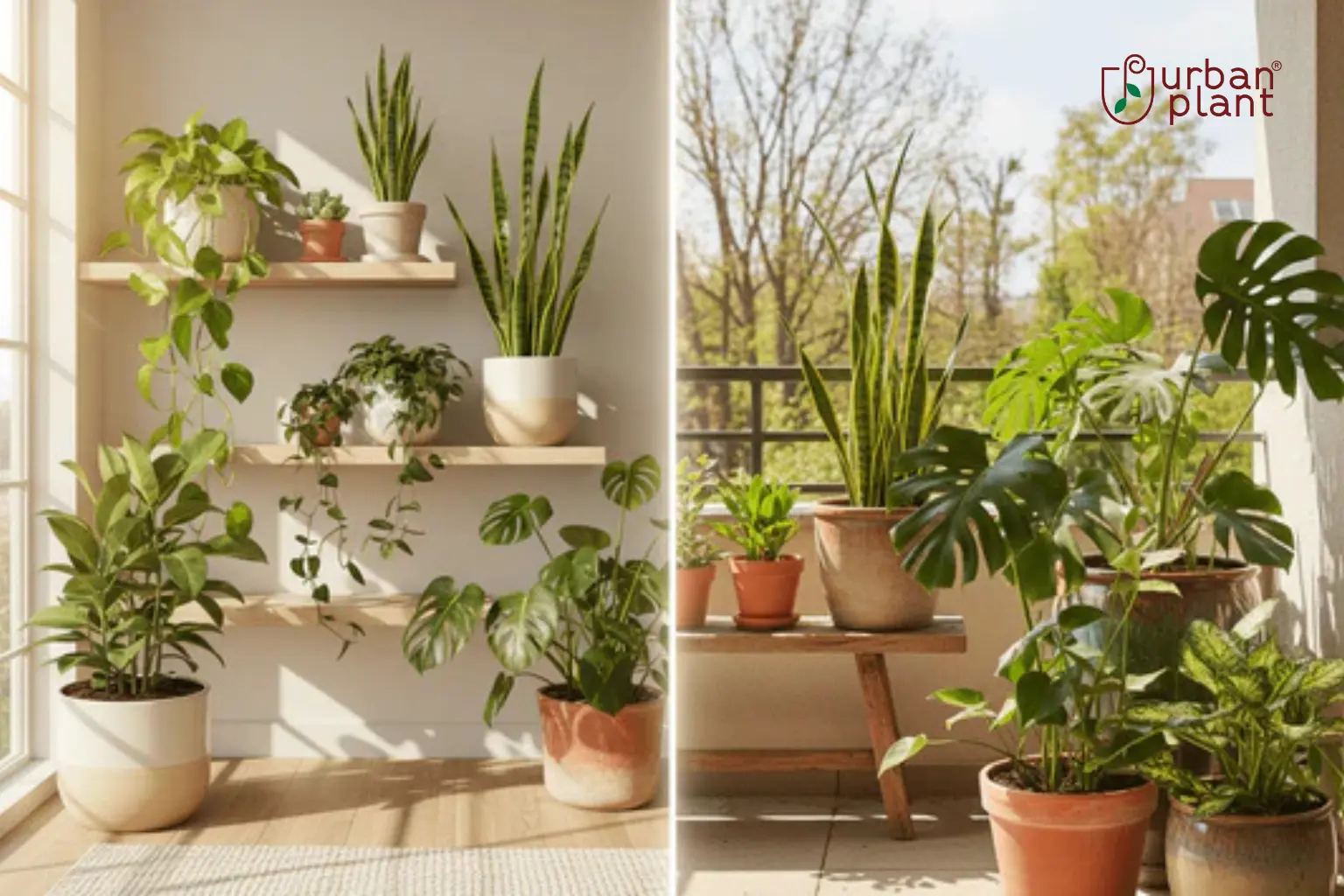
A visually appealing plant corner uplifts your home. Layer plants at varying heights using wall shelves, plant stands and hanging planters.
Place tall statement plants like areca palms or fiddle‑leaf figs at the back, medium plants at eye level and small succulents at the front.
Use decorative pebbles, macramé hangers and upcycled baskets to enhance the aesthetic.
For a “Bloom Room” sanctuary, dedicate an entire room or balcony to your mini garden. Incorporate vertical planters, a potting table, and comfortable seating.
Surround yourself with fragrant jasmine, flowering anthuriums and trailing pothos. Use ambient lighting and art prints for a calming vibe.
8. Starting a nursery & sourcing plants
- Sourcing plants – Visit local horticultural nurseries for region‑specific saplings. A wide range of indoor plants, succulents, and air‑purifying plants with doorstep delivery.
- Permits – If you plan to turn your hobby into a home business, you may need a nursery license from your state horticulture department and GST registration.
- Startup costs – According to business experts, a small nursery business requires an initial investment between ₹1 lakh and ₹10 lakh covering land, seeds, soil, tools and permits. However, a tiny home nursery can start with a few hundred rupees spent on pots and seeds.
Read Also
Minimalist Gardening: How to Create a Clutter‑Free Home Garden
10 Best Indian Herbs to Grow Indoors for Daily Cooking (Expert Guide)
Maintaining a Thriving Plant Corner
- Light management – Monitor the sun path in your home. A sun‑calculator app can help track patterns for a week. Move pots around to capture optimal light.
- Soil health – Poor soil leads to bad drainage and pests. Mix your own soil blend of light garden soil, compost and cocopeat. Replace potting mix every year and top‑dress with fresh compost.
- Pest control – Inspect leaves for pests. Use neem oil spray or soap solution. Avoid broad‑spectrum chemical pesticides; choose eco‑friendly pest control.
- Humidity and temperature – Mist foliage or use a humidifier for tropical plants. Keep plants away from AC drafts and hot appliances.
FAQs – Home Plant Nursery Setup (India)
How do I set up a plant nursery corner at home in India?
To set up a home plant nursery in India, choose a bright, well-ventilated corner with 3–6 hours of indirect sunlight. Start with sturdy planters, a well-draining potting mix, easy plants like money plant or tulsi, and basic tools. Focus on drainage, spacing, and seasonal plant selection.
What is the best location to create a plant nursery inside the house?
The best location for an indoor plant nursery is near a south- or east-facing window that receives bright indirect light. Living room corners, balconies, utility areas, or near large windows work best. Avoid dark corners and areas directly under AC vents or extreme heat.
Which plants are best for a simple home plant nursery for beginners?
For beginners, choose low-maintenance plants like snake plant, money plant, pothos, spider plant, tulsi, mint, and curry leaves. These plants tolerate Indian weather well, need minimal care, and are forgiving of watering mistakes, making them ideal for a first home nursery setup.
How much sunlight is required for a home plant nursery?
Most home nursery plants need 3–6 hours of sunlight daily. Leafy greens and herbs thrive in partial sunlight, while flowering and vegetable plants require more light. If sunlight is limited, place plants near windows or rotate pots weekly to ensure even growth.
How often should I water plants in a home nursery?
Watering depends on plant type, pot size, and season. In Indian homes, always follow the finger test—water only when the top 1–2 inches of soil feel dry. Overwatering is the most common reason home nurseries fail, especially during the monsoon and winter.
What soil is best for setting up a plant nursery at home?
A well-draining, nutrient-rich soil mix is essential for a healthy home nursery. Use a balanced mix of garden soil, compost or vermicompost, and cocopeat. This combination supports root growth, prevents waterlogging, and works well for Indian indoor and balcony conditions.
Can I grow edible plants in my home plant nursery?
Yes, edible plants grow very well in a home nursery. Herbs like mint, coriander, tulsi, curry leaves, and vegetables like green chilli and spinach are ideal. Place them where they receive sufficient sunlight and harvest regularly to encourage fresh, bushy growth.
Conclusion: Create Your Mini Garden Corner Today
Building a plant nursery corner in your Indian home is more than decor; it’s a chance to connect with nature and grow fresh produce. By understanding your climate zone, choosing the right plants and designing thoughtfully, you can create a thriving mini garden. Remember to water wisely, plan your space and invest in quality tools.
Follow our WhatsApp community for daily gardening inspiration.


